
Pritzker's Weight Loss Announcement Comes with Previously Undisclosed Diabetes Diagnosis
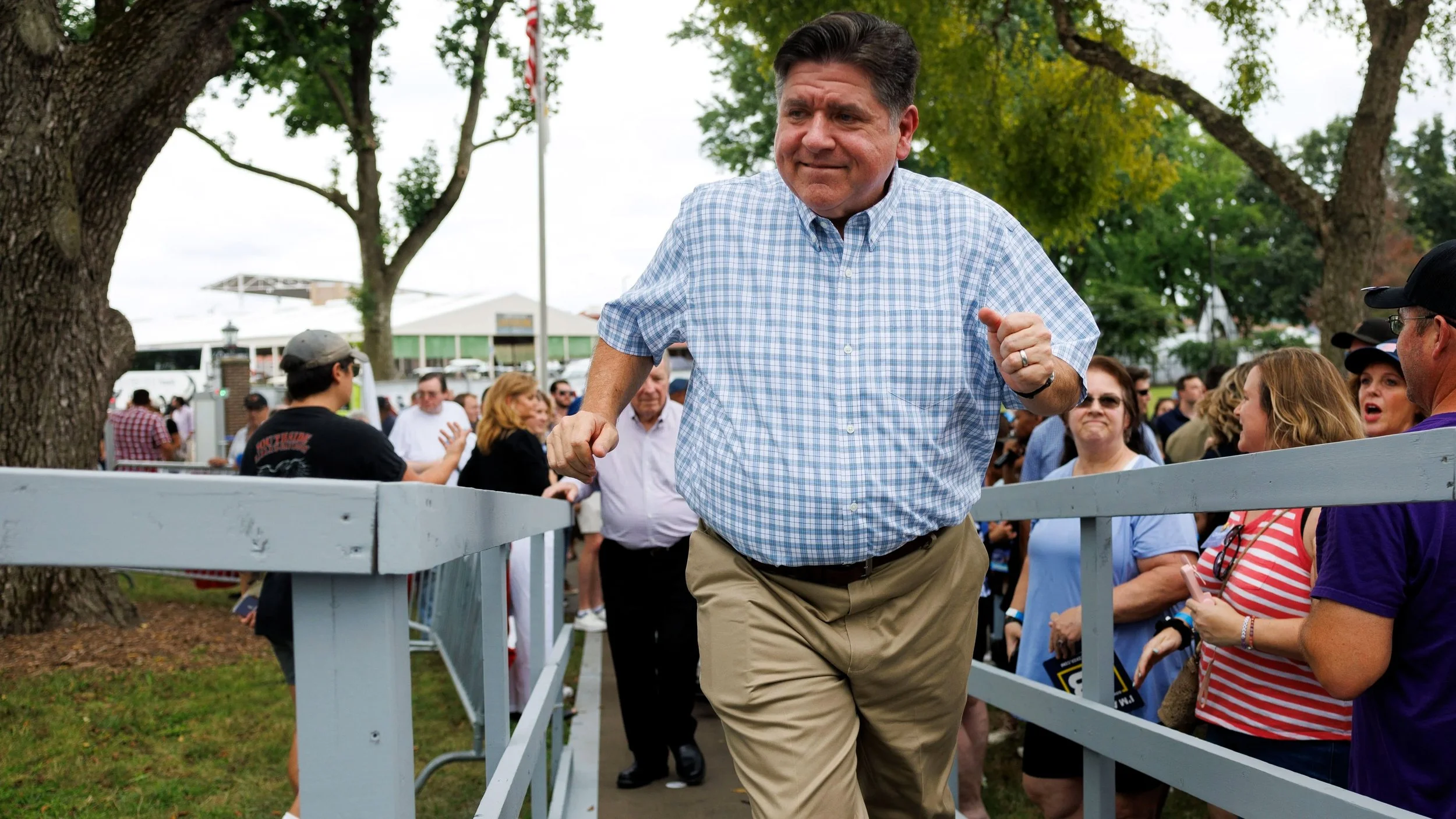
Governor JB Pritzker takes the stage at Governor’s Day at the Illinois State Fair in August. Pritzker announced Monday he has lost 80 pounds with the help of a GLP-1 medication. (Photo: Chicago Tribune)
In a coordinated media rollout Monday, beginning with a feature on CBS News, Governor JB Pritzker announced he has lost 80 pounds with the help of a GLP-1 medication.
As part of the announcement, though, Pritzker revealed a previously undisclosed Type 2 diabetes diagnosis that he received two years ago, including a prescription for insulin.
“My doctor said I’d probably be on insulin for the rest of my life,” Pritzker wrote on his Substack page Monday.
While Pritzker has lost enough weight that he is no longer on insulin, the diabetes diagnosis has raised further questions about what the 61-year-old Governor does, or should, release to the public about his health.
Pritzker has spoken often about how his father died of a heart attack at age 39. The Governor has never released any information about his heart health or a report from his cardiologist.
His office initially denied, then confirmed, that Pritzker had been taken to a Springfield ER in May after a “complication” from a previously disclosed outpatient urology procedure. Neither he or his office ever explained more about the incident.
Other than announcing a COVID-19 diagnosis in 2022 and a hairline fracture in his thigh bone in 2019, Pritzker and his office have remained quiet on his health, never providing even routine updates about his health.
The practice isn’t new for a governor in Illinois, seemingly. The offices of former Govs. Bruce Rauner, Pat Quinn, Rod Blagojevich, and George Ryan rarely made public statements about the executive’s health.
Former Gov. Jim Edgar experienced multiple heart-related issues while in office and often disclosed those issues in detail, according to published reports.
But Type 2 Diabetes comes with a long list of potential issues, including kidney disease, vision loss, heart disease, and stroke.
Former Gov. Quinn, who did not experience any major health issues in office, said a Governor should disclose important health issues.
“Statewide elected officials should inform the public if they have major health issues,” he said, though he didn’t say if he believed Pritzker’s issue had reached that level of disclosure.
We asked Pritzker’s office a list of detailed questions about the diagnosis and the administration’s policy for releasing information on Pritzker’s health. They responded to our questions with a prepared statement.
“After experiencing meaningful and sustained success with a GLP-1, the Governor chose to share his experience because he believes it can give others encouragement to talk to their doctors and a sense of possibility in their own health journeys,” the statement said. “This is also especially personal to the Governor after losing his father to a heart attack when he was seven years old. His experience has reinforced his belief that public officials should be transparent when their health has a direct bearing on their ability to serve — which his has not — and when personal experiences can inform public policy.”

