Mayors Raising Alarm Over Proposed Local Government Funding Cuts
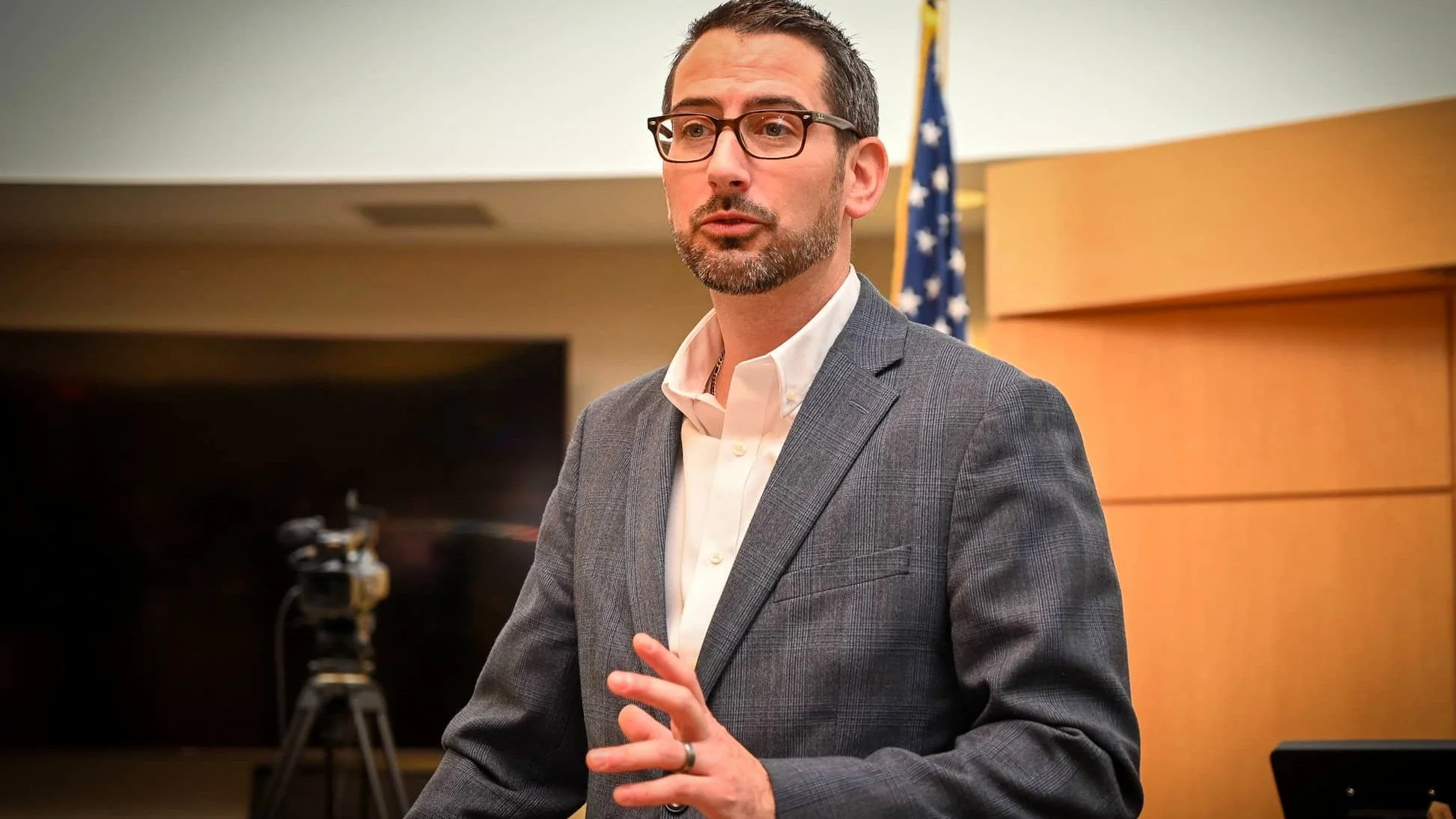
Rockford Mayor Tom McNamara speaks at a news conference in 2023. (Photo: Rock River Current)
Mayors and municipal leaders from around the state are pushing back on a part of Governor JB Pritzker’s budget proposal which they say cuts the share of income tax revenue the state traditionally splits with municipalities, but the Governor’s office is defending the move.
Pritzker’s budget proposal holds the dollar amount of the Local Government Distributive Fund (LGDF) flat, but cuts the share of tax revenue from 6.47% to 6.28%. The dollar amount remains flat, but income tax revenue is expected to grow in FY27, which accounts for the percentage reduction.
State government agreed to share 10% of income tax revenue with municipalities when the state income tax was enacted in 1969. The share has reduced among the state’s fiscal challenges in recent years.
Mayors and other leaders say Governor Pritzker’s proposal will harm communities.
Rockford Mayor Tom McNamara, a Democrat, says Pritzker’s proposed budget continues a trend from Governors of both parties that has “taken away” $144 million in funding from Rockford since 2012 and Pritzker’s FY27 proposal reduces funding for the city by some $800,000.
“My belief is the more money you can get to local governments, the more property tax relief you can provide,” the third term Mayor said. “I think there’s a way that you can actually make things more affordable and make local governments stronger while paying pensions and providing critical local government resources and services.”
Donna Johnson, the Mayor of suburban Libertyville, says the reduction in funding will make it more difficult to hire and retain police officers and firefighters.
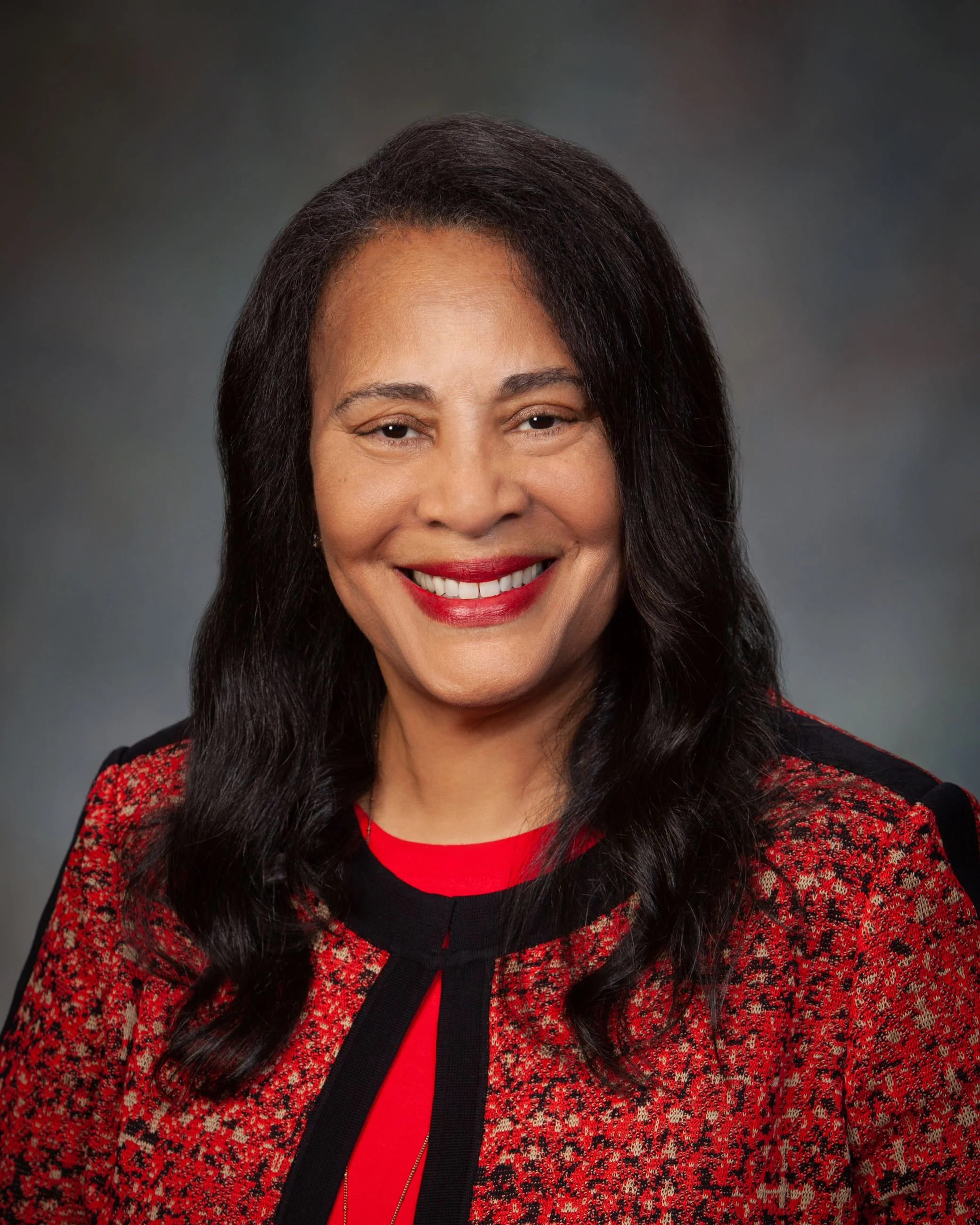
Libertyville Mayor Donna Johnson
“[LGDF] funding is directly tied to general funds and the services our communities provide, which is police, fire and public works,” Johnson, who has been Mayor since 2021, said. “When you reduce that funding from 10% down to six-and-a-quarter, it has a direct impact on the funds that we have to support those services in our community. It’s kind of like a domino effect. So if you decrease the amount of funding that we have to recruit to send people to the academies to develop training for them and directly impacts how we support our residents and our community from a safety concern. So it really is troubling to us that the Governor and a lot of our representatives don’t understand the significance of the percentage reduction.”
It’s the same concern for cities and municipalities around the state.
“Any reduction in shared revenues results in a direct cost increase to residents. This means property tax increases, sales tax increases or any number of other local tax increases to make up the difference,” said Illinois Municipal League Chief Executive Officer Brad Cole in a statement. “Any discussion about affordability has to recognize that cuts from the state to local governments actually impact the residents negatively. This doesn’t help affordability on any level. If we want real reform in areas like property taxes, the state has to stop cutting the dollars that go to local government.”
Johnson says as pension pressures continue to increase, reducing LGDF funding only adds to the strain on local budgets and will push municipalities to cut services or raise property taxes more.
“As the commitments increase for us to ensure that we are funding pensions adequately, we are going to have situations where [employees] are going to say to themselves ‘I think I need to, at 50, if I’m eligible, retire instead of staying on while they’re still adequate funding [for my pension].’ These things could be really significant.”
McNamara said if state leaders increased the LGDF share to 8%, still below the agreed target from decades ago, he could begin cutting property taxes.
“Any percent above that, we [would] give it dollar-for-dollar to property tax reduction. You immediately reduce people’s property taxes. You immediately make it easier to do business in Illinois. You immediately get more homes built. You make it much more attractive,” he said. “I know deep down no one’s ever going to get us back to 10%. That’s my belief at this point after fighting this for nine years. But if you can get us to eight, that’s a significant gain for the local municipalities. It helps us pay down the pension debt that we all are carrying. And if they can give us more than eight, I would tie it to directly to property tax reduction.”
A Pritzker spokesperson responded with a statement blaming the proposed cuts on the Trump administration.
“At a time when states are facing fiscal uncertainty driven by the Trump Administration, Governor Pritzker’s FY27 budget holds local governments harmless, maintains the same income tax dollars as last year, and continues record levels of overall support. Since 2019, the Governor has increased revenue sharing with local governments by nearly $1 billion — a 71% increase — and enacted more than $2.5 billion annually in additional ongoing resources through transportation funding, cannabis legalization, video gaming, casino expansion, and other measures. He has also given local municipalities greater authority to adopt local sales taxes without requiring voter referendums and eliminating certain state administrative fees on collections — giving communities greater flexibility and control over their fiscal future.”
The Governor’s office also points out it ha increased funding mechanisms to local governments since taking office in 2019, totaling what they say is $2.5 billion annually. Those funds come through retailers occupation taxes, motor fuel taxes, and state transportation bond funds.

